Technique · 2 min read
Canoes, Tunnels, and Other Ways a Wet Cigar Misbehaves
Most burn problems are not the cigar's fault. They are your humidor's.
By CigarMind Editorial ·
The lounge has colorful names for a cigar burning badly. When one side races ahead and the burn line collapses down a single flank, that is canoeing, named for the hollow trough that forms along the dead side. When the filler burns ahead down the center while the wrapper and binder lag behind, that is tunneling.
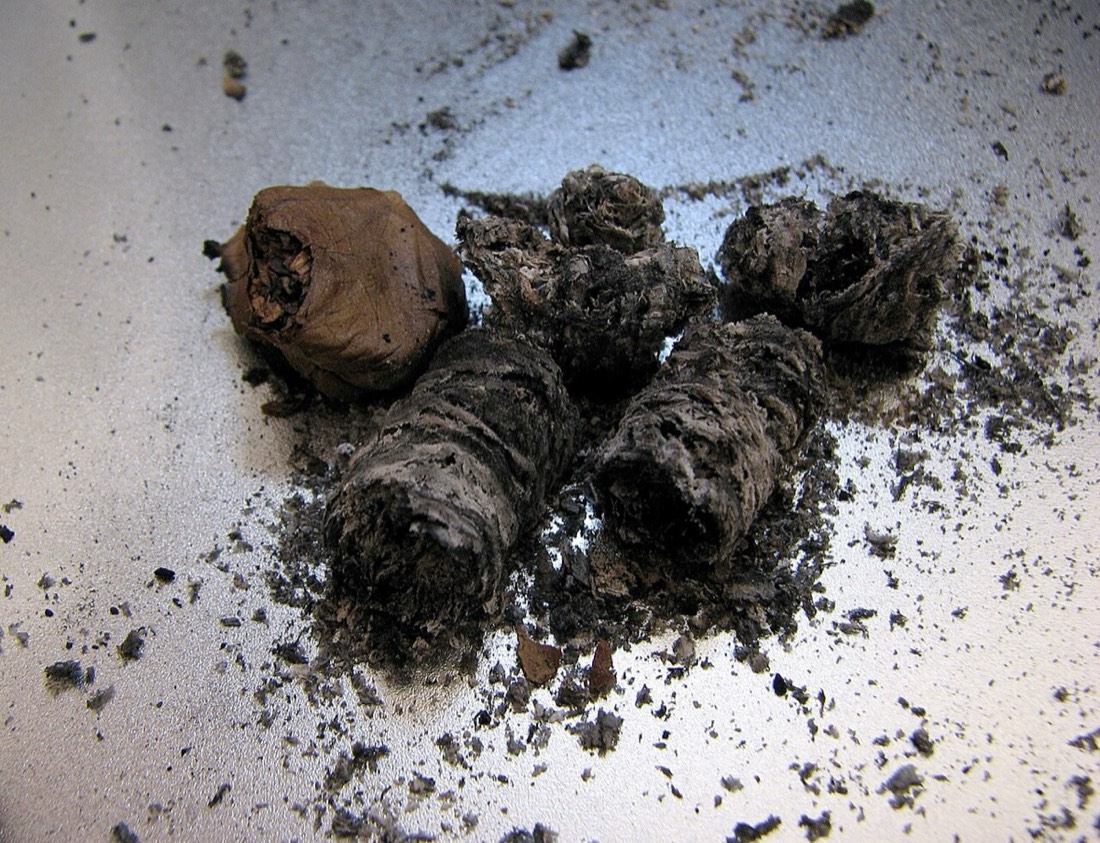
Both usually trace back to the same culprit: water. A cigar that is too wet lights grudgingly, burns crooked, and demands constant relights, because moisture in the leaf resists the ember unevenly. If a stick feels soft and spongy and keeps requiring flame at the foot, it is overhumidified, not poorly made.
The physics is straightforward. Fire follows the driest path through the tobacco, so any moisture imbalance inside the cigar becomes visible at the burn line within an inch or two.
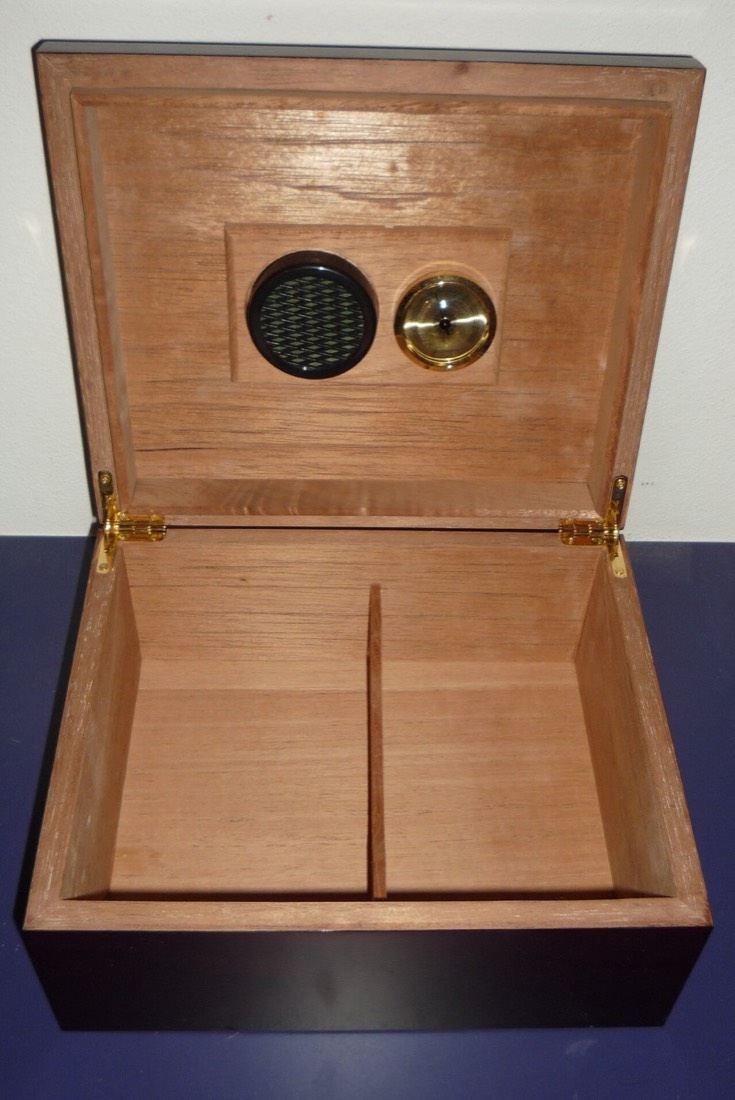
The fixes are equally straightforward. Keep your humidor at 65 to 70 percent relative humidity rather than drowning it. Dry-box a wet cigar for a day before smoking. Rotate the cigar between puffs, touch up a canoe with your lighter early, and if a tunnel takes hold, let it die, cut below the damage, and relight. Good burn is mostly good storage wearing a disguise.
Sources
- holts.com
- coronacigar.com
More Technique