Education · 2 min read
What "Sun Grown" Actually Means (and Why the Leaf Pays for It)
The two words on the band describe a leaf that spent its whole life without shade, and it shows.
Stand in a wrapper field at noon and you understand the term immediately. Sun grown tobacco takes the full force of the tropics on its face, all season long, with no cheesecloth canopy to soften the light. The plant responds the way skin does: it toughens.
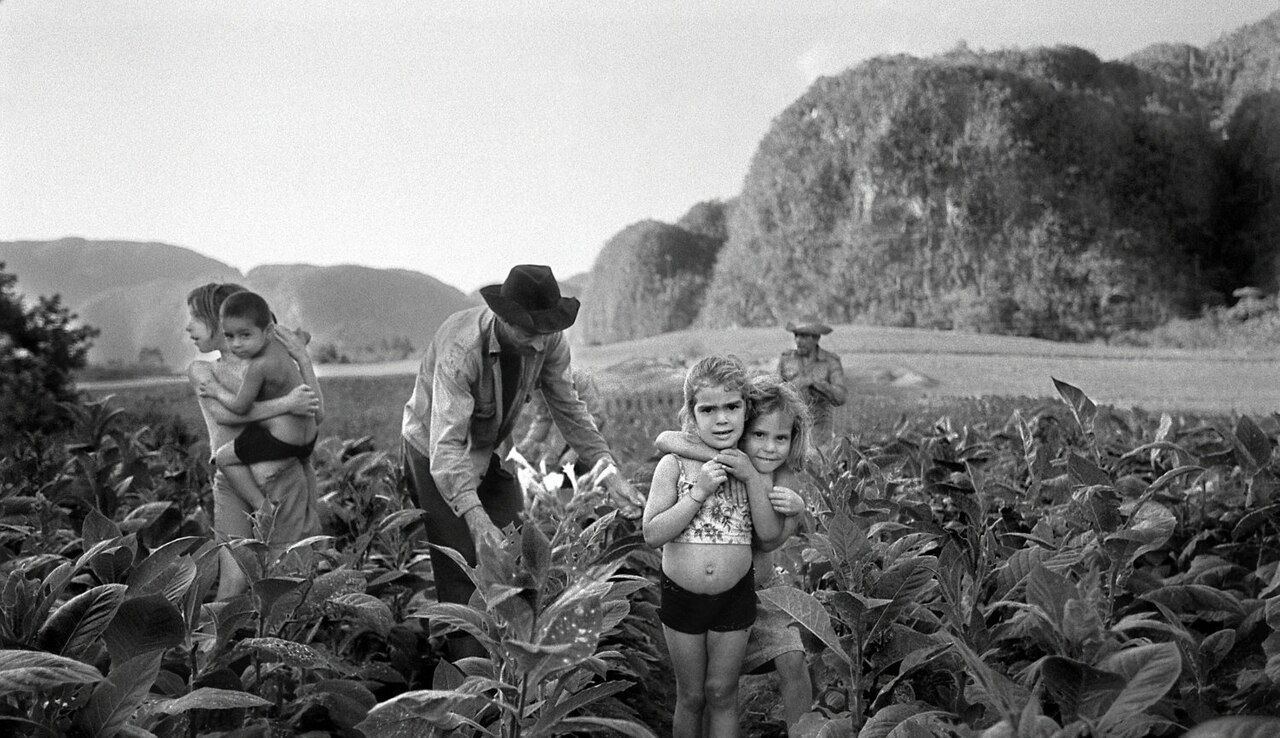
That struggle is the point. Direct sun pushes the leaf to grow thicker, with heavier veins, darker color, and a bigger load of oils and sugars. Shade-grown leaf, raised under a tapado that mimics cloud cover, comes out thin, elastic, and refined. Sun grown leaf comes out loud.
In the cigar, the difference is unmistakable. Because the wrapper contributes an outsized share of a cigar's flavor, a sun grown wrapper brings more spice, more earth, and more sweetness than its sheltered cousin. It is the difference between a farmhand's handshake and a banker's.
There is a cost, and the leaf pays it. Sun grown wrappers are less pretty, more veined, and harder to roll without cracking, which is why the smoothest, most flawless-looking cigars are usually shade grown. When you see "sun grown" on a band, read it as a promise: this cigar chose flavor over cosmetics.
Sources
- holts.com
- klarocigars.com
- cigarstudio.com
More Education