History · 3 min read
Cloth Skies Over Connecticut: How New England Wraps the Mildest Cigars
A river valley in Yankee country out-farmed Sumatra by building itself an artificial climate.
By CigarMind Editorial ·
The Connecticut River Valley had grown cigar tobacco since colonial days, and by the late 1800s it had a serious problem: a fine-grained wrapper leaf from Sumatra was stealing its market. The Dutch colonial product was thinner, silkier, and more elegant than anything New England sun could produce.
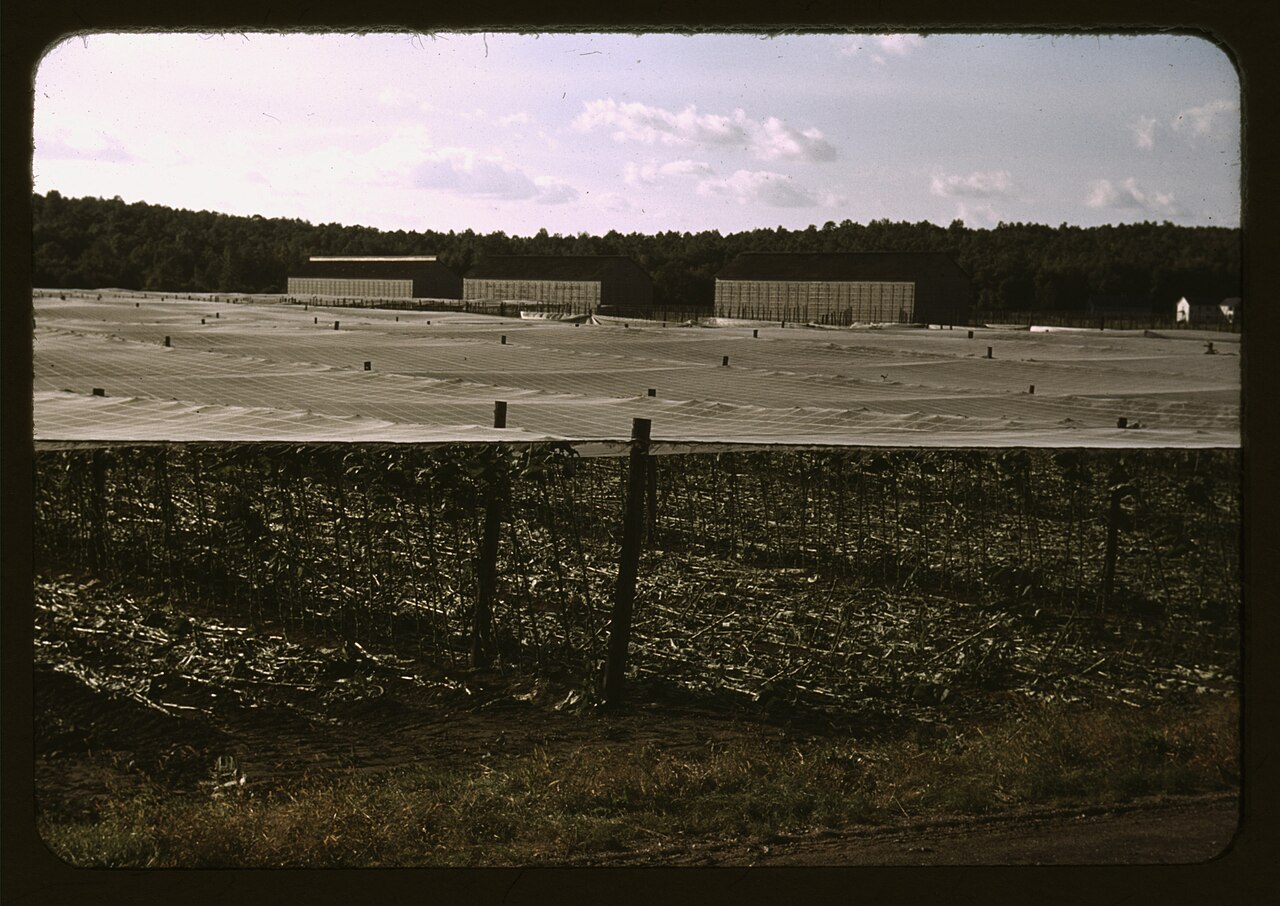
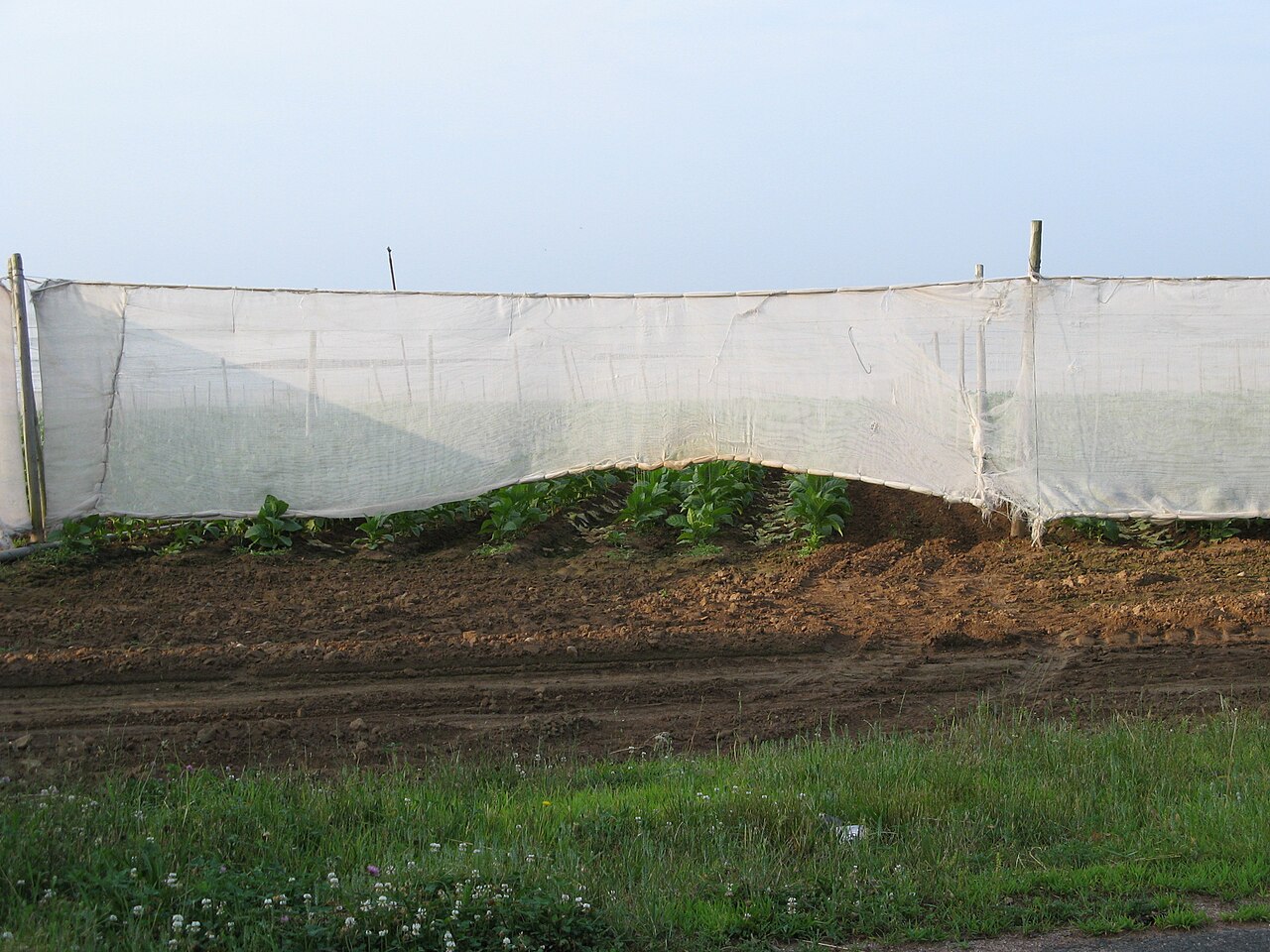
The valley's answer was gloriously literal. If Sumatra's cloudy, humid skies made better wrapper, Connecticut would build its own sky. In 1900, growers in Windsor raised the first shade tent, planting Sumatra-seed tobacco under cheesecloth that diffused the sunlight and trapped humidity beneath it.
It worked almost immediately. Under the cloth, the leaves grew thin, elastic, and faintly veined, curing to that luminous golden brown the trade came to call Connecticut Shade. Tobacco boomed across the valley, with planting peaking in the early 1920s at tens of thousands of acres, and generations of local teenagers spent their summers working the nets.
The leaf became the global shorthand for a mild, creamy, silky cigar, so much so that "a Connecticut" now describes a flavor profile as much as a place. Most of it today is grown from Connecticut seed in Ecuador, where real clouds do the cheesecloth's job for free.
But the original valley still farms shade under its cloth skies, one of the last places in America where a landscape was re-engineered for the sake of a wrapper leaf.
Sources
- connecticuthistory.org
- cigaraficionado.com
- en.wikipedia.org
- newenglandhistoricalsociety.com
More History