History · 3 min read
Burned Out Twice: The Fires That Forged the Fuentes
A Tampa fire and a Nicaraguan revolution each destroyed a Fuente factory. Neither destroyed the family.
By CigarMind Editorial ·
The Fuente story is usually told through its triumphs, but the company was shaped at least as much by what it lost. Arturo Fuente founded his cigar business in West Tampa in 1912, and within little more than a decade a fire tore through the operation, knocking the young company back to almost nothing. Rebuilding took years of patience and small-batch work.
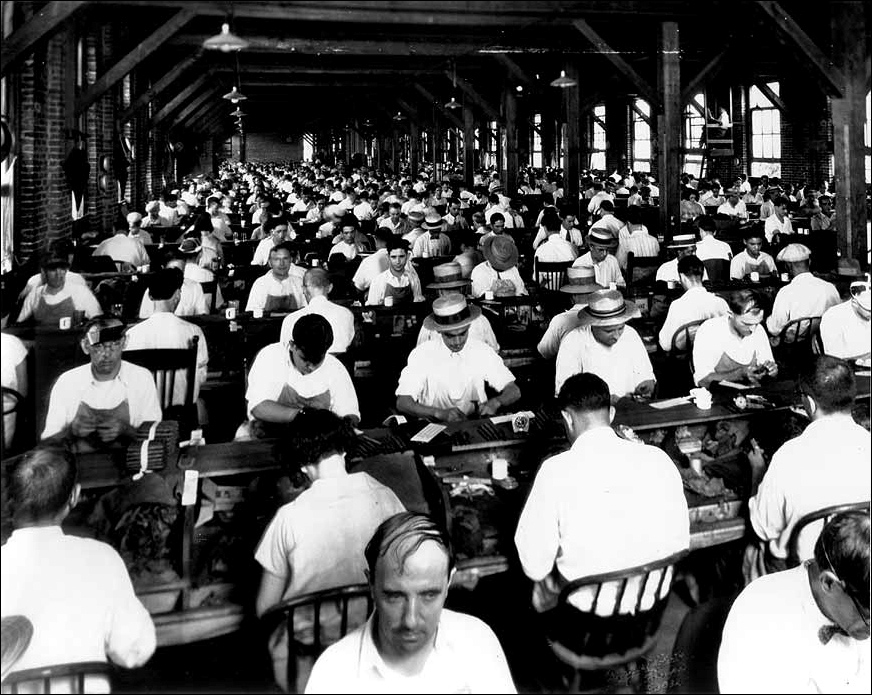
The second catastrophe came dressed as a business plan. By the 1970s the family, now led by Arturo's son Carlos, was producing in Nicaragua, where the factory employed around 300 people and rolled 18,000 cigars a day. Then, in 1978, revolution swept the country. The Sandinista uprising burned whatever stood in its path, and the Fuente factory stood in its path. Carlos fled Nicaragua to save his life.
What happened next is the part every cigar maker knows by heart. Carlos Fuente Sr. remortgaged his own home, his son Carlos Jr. put in what he had, and in September 1980 the family opened a modest 12,000-square-foot factory in Santiago, Dominican Republic.
That desperate relocation turned out to be the best decision in company history. The Dominican operation produced the Hemingway line in the 1980s, then OpusX in the 1990s, and grew into one of the most respected factories on earth.
Fire keeps recurring in this industry, and so does the response. Tobacco people rebuild. It may be the only trade where the product itself teaches the lesson: everything of value here is made slowly, and can be made again.
Sources
- arturofuente.com
- en.wikipedia.org
- holts.com
- jrcigars.com
More History