Education · 2 min read
Smoke Born of Volcanoes: Why Nicaraguan Cigars Taste Like Their Dirt
The boldest tobacco in the Americas grows in ash that used to be a mountain.
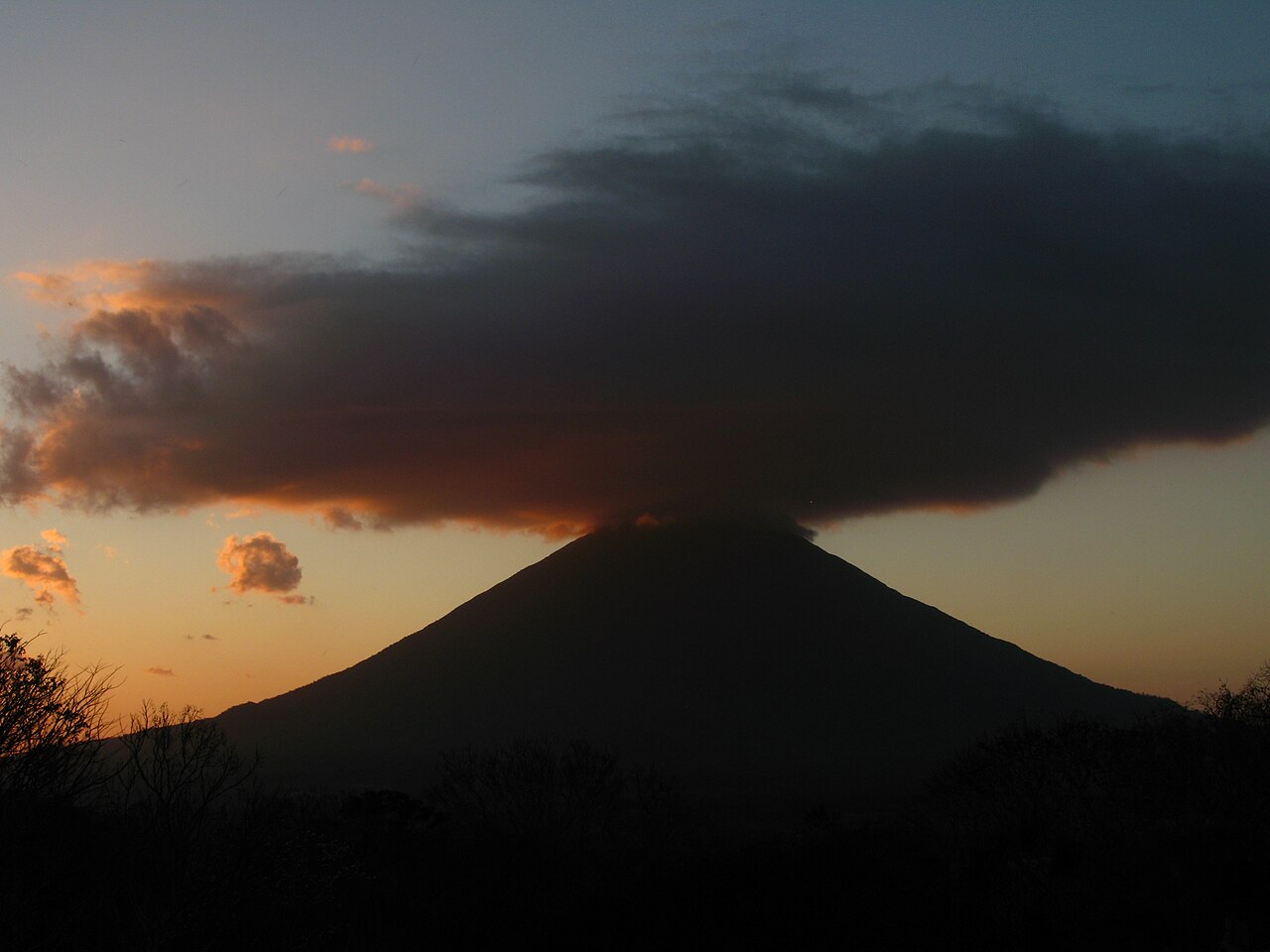
Wine people call it terroir and charge accordingly. Nicaragua simply calls it the ground. The country's tobacco valleys sit on soil built by centuries of volcanic activity, dense with minerals like magnesium and potassium, and the leaf that grows there comes up swinging.
Each region contributes its own accent. Estelí, the industry's capital, has dark, dense soil that yields the famous full-bodied, peppery Nicaraguan punch. Jalapa's mix of sandy loam and volcanic ash grows sweeter, more refined leaf with a reddish glow, and Condega sits somewhere between the two.
Then there is the show-off: Ometepe, an island in Lake Nicaragua formed by twin volcanoes, where tobacco grows on the slopes in a humid lake microclimate found nowhere else. Blenders prize the leaf precisely because nothing else tastes quite like it.
This is why "Nicaraguan" on a band came to mean bold, earthy, and spicy the way "Cuban" once meant refined. The blenders get the credit, and deserve plenty. But the volcanoes did the prep work, several eruptions ago.
Sources
- cigars.com
- afteractioncigars.com
- cigarpress.com
More Education