Education · 2 min read
Why the Darkest Cigars Are Often the Sweetest
That near-black wrapper is not a warning label. It is closer to a dessert menu.
New smokers flinch at maduros for the same reason people flinch at black coffee: the color reads as intensity. But maduro means "ripe" in Spanish, and ripeness, not power, is the whole idea.
A maduro is made, not grown. Take a hardy leaf, most famously Connecticut Broadleaf or Mexico's San Andrés, and ferment it longer and warmer than usual. The extended fermentation darkens the leaf toward espresso and black, and as it works, the tobacco's natural sugars rise to the surface of the wrapper.
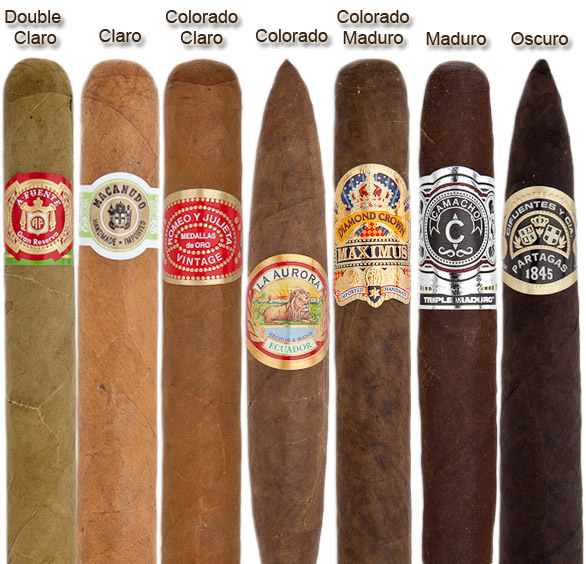
The result on your palate is that signature maduro sweetness: cocoa, dark chocolate, coffee, molasses. Plenty of maduros are gentle giants, dark as motor oil and mild as a mocha, though the style can certainly be blended strong.
So read the wrapper color the way the trade does. Dark tells you how the leaf was fermented, not how hard the cigar will hit. Strength lives in the filler, hidden where you cannot see it, which is a very cigar-like arrangement.
Sources
- holts.com
More Education