History · 3 min read
The Ghost Brands of Pre-Revolution Cuba
Cabañas, Belinda, Cifuentes, Montecruz, Bauza. A field guide to the Havana names most publications never cover, and the strange afterlives a few of them found.
By CigarMind Editorial ·
Walk into any well-stocked humidor and the Cuban shelf reads like a census of the survivors: Cohiba, Montecristo, Partagas, Romeo y Julieta. Below that living register sits a second one, a ledger of names that the Revolution interrupted and time mostly forgot. A recent catalog sweep surfaced five of the best stories in that ledger: Bauza, Belinda, Cabañas, Cifuentes, and Montecruz. None of them is a household name today. All of them once were, or nearly were, and each carries a different answer to the question of what happens to a cigar brand when history takes the factory away.
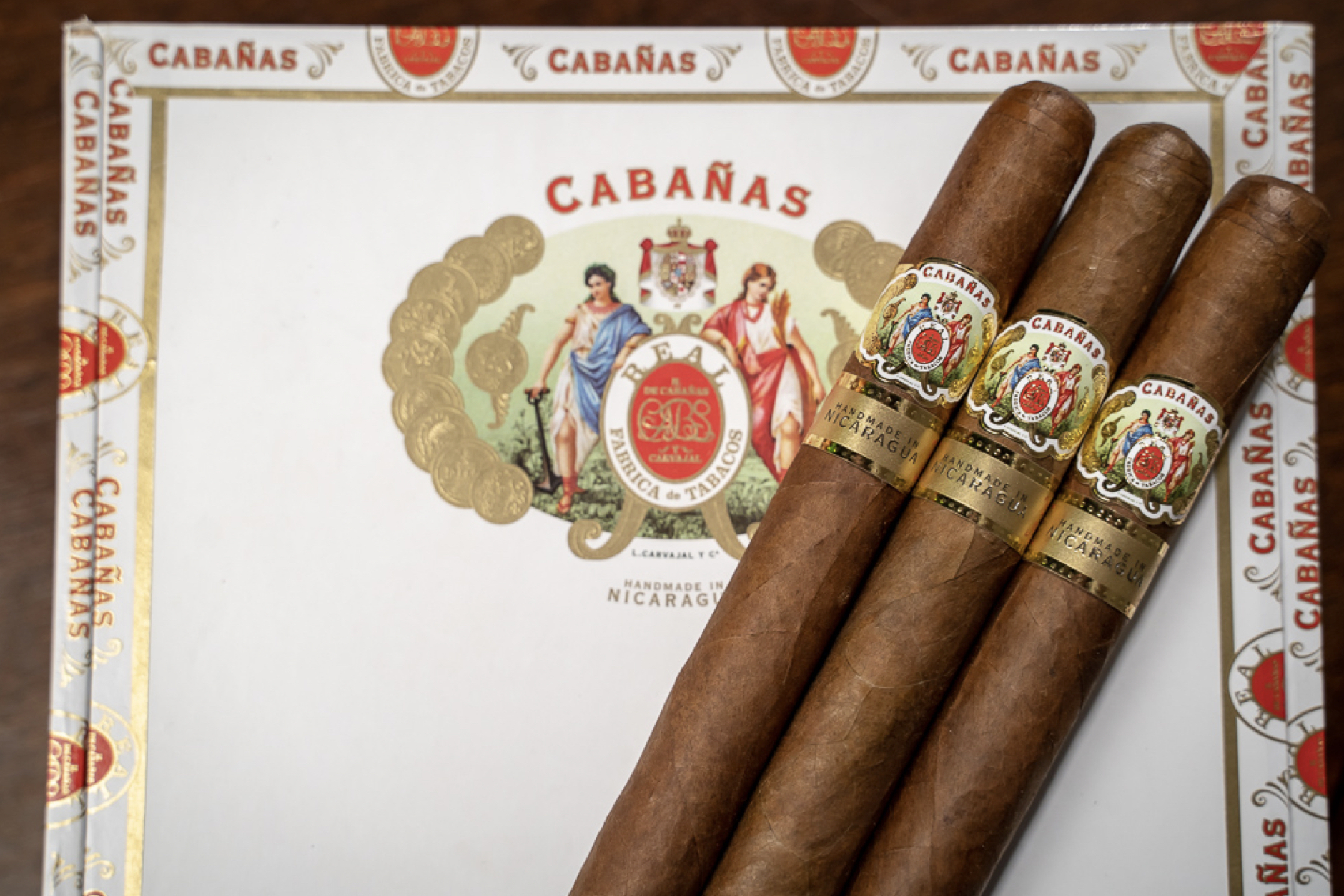
Cabañas is the eldest ghost. Francisco Cabañas registered the brand in 1810, which makes it, by most accounts, the oldest independent cigar brand founded in Cuba, decades older than Por Larrañaga, Punch, or H. Upmann. Production lapsed around 1962 after nationalization, returned in 1989 as a modest machine-made line of full-strength Vuelta Abajo smokes, and was deleted from the Habanos portfolio around 2005. Then, in October 2019, JR Cigar brought the name back again, this time blended by Don Pepin Garcia and rolled at My Father Cigars in Esteli from Nicaraguan Cuban-seed tobacco. The oldest brand in Cuban cigar history is, at this writing, a Nicaraguan cigar.
Belinda carries a similar double life. Established in 1882, it was a large and prestigious pre-Revolution brand before its early 1960s discontinuation, then returned in 1989 in humbler dress as a low-cost machine-made line. Habanos kept it until about 2005, when production moved to Internacional Cubana de Tabacos, and by around 2014 it had slipped to Cuban domestic market only status, before boxes began surfacing globally again in 2022, presumably pushed out of island warehouses by the great cigar shortage. Meanwhile the name had also gone into exile: owner Fernando Palicio sold his lines to the Villazon family after 1959, and Honduran Belindas rolled for years before going dormant. Two branches, two funerals, one name.
Cifuentes never left the island, which is exactly what makes it a ghost. It was the house brand of the great Partagas factory, the firm founded as Cifuentes, Pego y Cia in 1916 and renamed Cifuentes y Cia decades later, selling cigars under its own name by the late 1920s. Nationalization took the factory in September 1960, production wound down through the mid-1970s, and the brand was formally discontinued in the early 1990s. The epilogue belongs in a novel. When General Cigar and Cuba's Partagas y Cia fought over the Cifuentes trademark in a 2005 English court, the judge dryly noted that neither party actually marketed a cigar under the brand. Two rivals dueling over a name neither was using. Catalog lore adds a phantom vitola, the nine and a quarter inch Super Estupendos, listed as a proposed mid-1970s release whose production was never confirmed. Collectors still argue about whether a single box exists.
Montecruz is the ghost with the loudest afterlife. Built in 1961 in Las Palmas in the Canary Islands by the Menendez family after Montecristo was nationalized out from under them, it was an unapologetic stand-in: crossed swords on the band, a cross where the fleur-de-lis had been, Cameroon leaf doing the work of Havana. Distributed in America with help from Alfred Dunhill, it became for a stretch the best-selling premium cigar in the United States, then moved production to La Romana in the Dominican Republic, and after the landmark 1972 Menendez v. Faber, Coe and Gregg decision it eventually reclaimed the Montecristo name itself for the American market. The ghost became the body. Bauza runs the opposite arc, a pre-Revolution Cuban name that survives today as a quiet Dominican line rolled at Tabacalera A. Fuente in Santiago, wrapped in Ecuadorian Sumatra, medium to full in body, still on retailer shelves today. No lawsuits, no revivals, just the Fuente family keeping an old name in production. Of the five, it is the only one a smoker can light tonight without waiting for an auction.
Sources
- cubancigarwebsite.com
- halfwheel.com
- cigar-coop.com
- en.wikipedia.org
- knyvet.bailii.org
- cigaraficionado.com
- mikescigars.com
Makers in this read
Cifuentes
Every line, its strength and what to try next
Cabañas
Every line, its strength and what to try next
Bauza
Every line, its strength and what to try next
Belinda
Every line, its strength and what to try next
Montecruz
Every line, its strength and what to try next
Montecristo
Every line, its strength and what to try next
More History
Burned Out Twice: The Fires That Forged the Fuentes
A Tampa fire and a Nicaraguan revolution each destroyed a Fuente factory. Neither destroyed the family.
Cloth Skies Over Connecticut: How New England Wraps the Mildest Cigars
A river valley in Yankee country out-farmed Sumatra by building itself an artificial climate.